
The stakeholder matrix is a tool used to identify and understand the actors involved in a municipal project, as well as their role, expectations, and potential impacts. Used within the framework of «Boussole 21», it helps integrate sustainability principles into project governance by highlighting links between actors, risks, opportunities, and participation needs.
The objective of the matrix is to offer a structured view of stakeholders to guide decisions, plan participation, and anticipate sensitive points.
By cross-referencing criteria and stakeholders, the matrix supports transparent and inclusive governance, which is essential for the success of a sustainable project. It also serves as a basis for internal discussions, participatory processes where relevant, and the evaluation of cross-impacts in «Boussole 21».
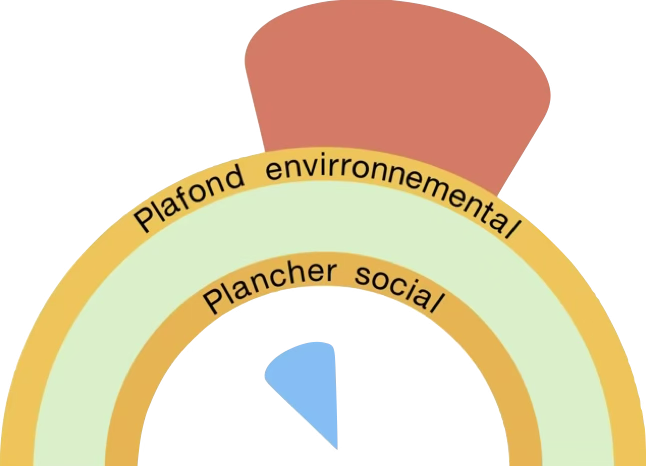
The «Boussole 21» matrix is an analysis tool that evaluates a municipal project against sustainability principles, taking balanced account of environmental, social, and economic dimensions. It offers a structured framework for identifying the positive and negative effects of a project.
Used in conjunction with the stakeholder matrix, the «Boussole 21» matrix helps move beyond a sectoral reading of projects by favoring a transversal and systemic approach. It highlights interactions between the different dimensions of sustainability, necessary trade-offs, and potential risks to anticipate.
The objective of the «Boussole 21» matrix is to support decision-making upstream of projects, improve their overall quality, and strengthen coherence with the Municipality's climate and sustainability commitments. It constitutes a decision-support tool, facilitating discussion between departments, justifying choices made, and progressively integrating sustainability into municipal practices.
A stakeholder is a group, institution, association, or any person who:
This may include internal actors (municipal departments, Commissions, etc.) or external ones (associations, companies, contractors, potential users of the project, a cantonal office, etc.).
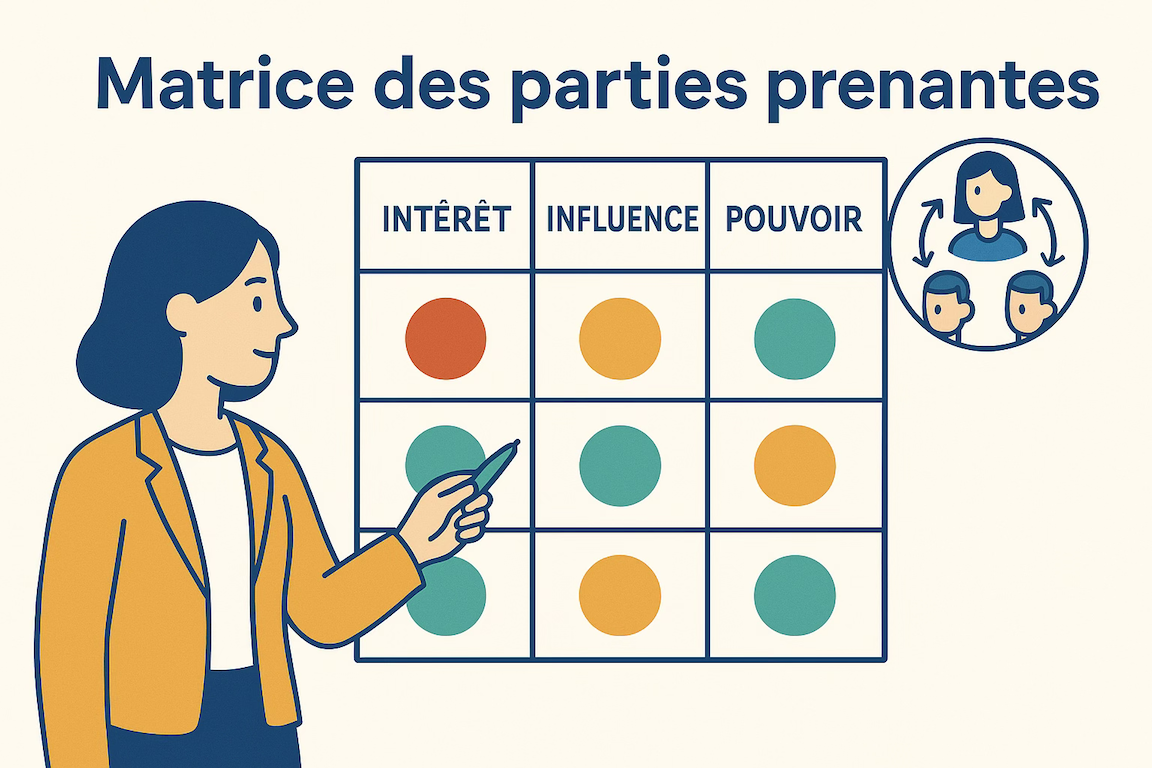
This criterion measures the degree of concern and involvement of actors regarding the project.
Examples:
Question to ask yourself: To what extent is this stakeholder directly concerned, a beneficiary, or impacted?
| Questions | Municipal Council | Contractor | Canton | Other Municipalities | Population (global) | Population (neighborhood) | Vulnerable Population | Users | Landowners | Schools | Local Societies or Associations | Local Businesses | |||
|---|---|---|---|---|---|---|---|---|---|---|---|---|---|---|---|
| Does the party have a personal or collective interest in the project? | |||||||||||||||
| Will they be impacted positively or negatively by the project? | |||||||||||||||
| Are they directly affected by the changes induced by the project? | |||||||||||||||
| Have they expressed specific expectations related to the project? | |||||||||||||||
| Have they already manifested an interest (positive or negative) during previous stages or similar projects? |
This criterion measures the indirect capacity of the stakeholder to orient, facilitate, or counter the project. This may include:
Question to ask yourself: Can this stakeholder, through their action or opinion, modify the trajectory of the project?
| Questions | Municipal Council | SELECT A DEPARTMENT | SELECT A DEPARTMENT | Contractor | Canton | Other Municipalities | Population (global) | Population (neighborhood) | Vulnerable Population | Users | Landowners | Schools | Local Societies or Associations | Local Businesses | |
|---|---|---|---|---|---|---|---|---|---|---|---|---|---|---|---|
| Does this party have the capacity to influence public opinion or other actors (communication, mobilization, visibility)? | |||||||||||||||
| Do they possess expertise or technical information capable of orienting project choices? | |||||||||||||||
| Can they facilitate or complicate the operational implementation of the project (access, relations, indirect authorizations)? | |||||||||||||||
| Do they possess a network of actors likely to influence the project? | |||||||||||||||
| Do they have a history of influence on similar projects? |
This criterion measures the formal capacity of the stakeholder to validate, block, or arbitrate the project. This refers to institutional, legal, regulatory, or contractual power. This may include:
Question to ask yourself: Can this stakeholder officially decide on the implementation, conditions, or scope of the project?
| Questions | Municipal Council | SELECT A DEPARTMENT | SELECT A DEPARTMENT | Contractor | Canton | Other Municipalities | Population (global) | Population (neighborhood) | Vulnerable Population | Users | Landowners | Schools | Local Societies or Associations | Local Businesses | |
|---|---|---|---|---|---|---|---|---|---|---|---|---|---|---|---|
| Does this party possess institutional power over the project (Municipal Council, Parliament, Canton, etc.)? | |||||||||||||||
| Must they officially validate the project or certain stages? | |||||||||||||||
| Can they legally or administratively block the realization of the project? | |||||||||||||||
| Do they contribute to its financing in a decisive manner? | |||||||||||||||
| Do they hold a right of ownership, usage, or control over a key element of the project (land, building, infrastructure)? |
These criteria evaluate the extent to which the stakeholder can:
The scale reflects the intensity of the impact:
Contribution or risk concerning: biodiversity, soils, waters, energy, mobility, resources, emissions, pollution, green spaces, nuisances, etc.
Contribution or risk concerning: social cohesion, integration, quality of life, inclusion, social acceptance, access, safety, health, living together, etc.
Contribution or risk concerning: local activity, jobs, short circuits, costs and benefits, maintenance, economic resilience, economic promotion, etc.
Question to ask yourself: Does this stakeholder strengthen or weaken the project's sustainability, and to what degree?
Contribution or risk concerning: biodiversity, soils, waters, energy, mobility, resources, emissions, pollution, green spaces, nuisances, etc.
| Questions | Municipal Council | SELECT A DEPARTMENT | SELECT A DEPARTMENT | Contractor | Canton | Other Municipalities | Population (global) | Population (neighborhood) | Vulnerable Population | Users | Landowners | Schools | Local Societies or Associations | Local Businesses | |
|---|---|---|---|---|---|---|---|---|---|---|---|---|---|---|---|
| Can this party contribute to reducing the project's environmental impact (expertise, actions, resources)? | |||||||||||||||
| Does the project bring an environmental benefit to this party (biodiversity, air quality, reduction of nuisances)? | |||||||||||||||
| Does the project risk causing a negative environmental impact for this party (pollution, nuisances, loss of biodiversity, resources)? | |||||||||||||||
| Does this party carry out activities with a notable environmental impact that could complicate the sustainable implementation of the project? |
Contribution or risk concerning: social cohesion, integration, quality of life, inclusion, social acceptance, access, safety, health, living together, etc.
| Questions | Municipal Council | SELECT A DEPARTMENT | SELECT A DEPARTMENT | Contractor | Canton | Other Municipalities | Population (global) | Population (neighborhood) | Vulnerable Population | Users | Landowners | Schools | Local Societies or Associations | Local Businesses | |
|---|---|---|---|---|---|---|---|---|---|---|---|---|---|---|---|
| Could the project improve the quality of life or social inclusion of this party? | |||||||||||||||
| Can this party strengthen social cohesion (youth, seniors, integration, disability) or living together within the framework of the project? | |||||||||||||||
| Does the project risk generating social tensions, usage conflicts, or loss of quality of life for this party? | |||||||||||||||
| Does this party belong to a social group particularly vulnerable to the changes induced by the project? |
Contribution or risk concerning: local activity, jobs, short circuits, costs and benefits, maintenance, economic resilience, economic promotion, etc.
| Questions | Municipal Council | SELECT A DEPARTMENT | SELECT A DEPARTMENT | Contractor | Canton | Other Municipalities | Population (global) | Population (neighborhood) | Vulnerable Population | Users | Landowners | Schools | Local Societies or Associations | Local Businesses | |
|---|---|---|---|---|---|---|---|---|---|---|---|---|---|---|---|
| Does the project generate economic benefits for this party (jobs, activity, reduced costs, savings)? | |||||||||||||||
| Can this party contribute to strengthening the economic viability of the project (financing, skills, resources)? | |||||||||||||||
| Does the project risk entailing costs, loss of activity, or economic constraints for this party? | |||||||||||||||
| Does this party have an economic dependency likely to be weakened by the project? |
After evaluating the main criteria (interest, influence, power, environmental, social, and economic impacts)—which serve to understand who is concerned and how—the tool proposes a series of final questions. These serve to understand how complex, visible, or sensitive the project itself is; they qualify the nature of the project and its organizational complexity.
They do not concern the stakeholders themselves, but rather the structural context of the project, to determine if an in-depth analysis with «Boussole 21» is relevant.
These questions fulfill three essential functions:
They allow to:
| Questions | Answers |
|---|---|
| Will the project have a visible effect for the population or for users, or does it touch on a sensitive subject? | |
| Does the project modify an existing location, service, or usage? | |
| Does the project involve works on an existing building, outdoor space, or equipment? | |
| Does the project require going through a preliminary report (preavis)? | |
| Is the project purely internal (regulation, finance, procedure) without effect for the population? | |
| Priori, how many departments will be stakeholders of the project? |
The stakeholder matrix is a tool used to identify and understand the actors involved in a municipal project, as well as their role, expectations, and potential impacts. Used within the framework of «Boussole 21», it helps integrate sustainability principles into project governance by highlighting links between actors, risks, opportunities, and participation needs.
The objective of the matrix is to offer a structured view of stakeholders to guide decisions, plan participation, and anticipate sensitive points.
By cross-referencing criteria and stakeholders, the matrix supports transparent and inclusive governance, which is essential for the success of a sustainable project. It also serves as a basis for internal discussions, participatory processes where relevant, and the evaluation of cross-impacts in «Boussole 21».
The criteria for interest, influence, and power are scored from 1 to 5, depending on the importance of the party; the criteria for impacts and desired engagement are scored from -2 to 2, depending on the potential impact of the project on each party and the potential impact of each party on the project's sustainability (expertise, decision-making, etc.).
Scores range from 0 to 15. We can consider that from 10 points onwards, an actor must be considered a stakeholder (consultation or co-decision).
| Criteria | Municipal Council | SELECT A DEPARTMENT | SELECT A DEPARTMENT | Contractor | Canton | Other Municipalities | Population (global) | Population (neighborhood) | Vulnerable Population | Users | Landowners | Schools | Local Societies or Associations | Local Businesses | |
|---|---|---|---|---|---|---|---|---|---|---|---|---|---|---|---|
| Interest | |||||||||||||||
| Influence | |||||||||||||||
| Power | |||||||||||||||
| Environment | |||||||||||||||
| Social | |||||||||||||||
| Economy | |||||||||||||||
| Total Points | |||||||||||||||
| Sustainability Impacts | |||||||||||||||
| Evaluation | |||||||||||||||
| Proposed Engagement | |||||||||||||||
| Stakeholders |
The «Boussole 21» matrix is based on the answers given to the final questions and the questions on potential stakeholders.
Finally, sustainability scores across all stakeholders are integrated and function as follows:
Recommendations:
| Domain | Subject | Score |
|---|---|---|
| Institutional Complexity | Number of departments concerned | |
| Preliminary Report | ||
| Societal Complexity | Number of stakeholders | |
| Project Type | Public Space | |
| Works | ||
| Regulation | ||
| Sustainability Score | Environmental | |
| Social | ||
| Economic | ||
| Total | ||
| Use of «Boussole 21» proposed | ||